Pediatric Acute-onset Neuropsychiatric Syndrome (PANS) is a term used to describe a set of psychiatric symptoms that appear suddenly in children, typically following an infection or other triggering event. The symptoms can include obsessive-compulsive behaviors, severe anxiety, mood swings, and cognitive difficulties. While the exact cause remains unclear, it is believed that PANS is linked to autoimmune reactions that impact the brain, leading to inflammatory processes that disrupt normal neurological function.
Understanding PANS is crucial for parents, as early identification can lead to more effective interventions. The syndrome is often mistaken for other psychiatric disorders, so awareness and education about its unique characteristics are essential. Parents should be vigilant about noticing any sudden changes in their child's behavior or emotional state.
The signs of PANS can vary widely among children, but some common symptoms include:
Recognizing these signs early on is vital for parents, as it can help facilitate timely diagnosis and treatment. A multi-faceted approach that includes professional assessment from healthcare providers specializing in PANS is often necessary to determine the most effective course of action.
Early diagnosis of PANS is critical in mitigating long-term effects on a child's mental and emotional well-being. Parents should seek immediate support if they notice sudden behavioral changes. A proper diagnosis typically includes a thorough medical history, physical examination, and various tests to rule out other conditions. The sooner the condition is identified, the sooner interventions can begin, which may dramatically improve the child's quality of life.
Moreover, early intervention allows healthcare providers to tailor treatment plans that address both the psychological and physiological aspects of PANS. Such plans might involve a combination of therapeutic strategies, including both traditional and holistic approaches, which can enhance the child's recovery journey.
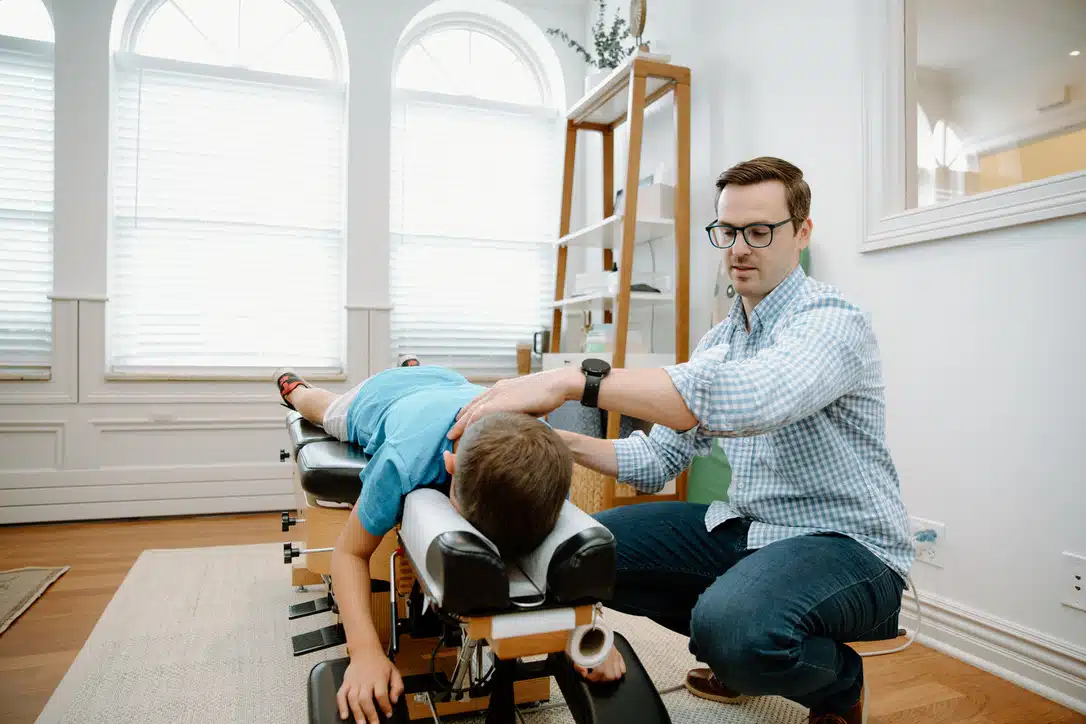
Chiropractic care offers a holistic approach that may greatly benefit children diagnosed with PANS. Chiropractors focus on the relationship between the spine and the nervous system, aiming to enhance overall health and well-being. Adjustments that realign the spine can improve nervous system function, which may be particularly important for children experiencing neuropsychiatric symptoms.
By ensuring that the spine is aligned, chiropractic care can help reduce stress on the nervous system, potentially alleviating symptoms associated with PANS. Many parents have reported positive outcomes after incorporating chiropractic adjustments into their child's treatment plan, noting improvements in mood, behavior, and cognitive function.
The central nervous system plays a crucial role in how the body responds to stress and processes emotions. By addressing spinal misalignments, chiropractors can help optimize nerve function, which may lead to a reduction in anxiety and obsessive-compulsive behaviors commonly seen in PANS. Regular chiropractic sessions can also help improve the overall flow of information between the brain and body, fostering better emotional regulation and mental clarity.
Additionally, chiropractic care often includes exercises and adjustments that promote relaxation and mindfulness, which can further empower children to cope with anxiety and emotional distress. This holistic approach not only targets physical symptoms but also supports emotional resilience, which is essential for children dealing with PANS.
Chiropractic care is not solely focused on treating symptoms but also emphasizes overall health and well-being. Many chiropractors advocate for a comprehensive wellness plan that includes nutritional advice, exercise, and lifestyle modifications. This approach can be particularly beneficial for children with PANS, as integrating various aspects of health can create a more balanced and supportive environment for healing.
Through regular chiropractic visits, parents can also learn more about maintaining their child's overall well-being, fostering an environment that encourages both physical and emotional health. By focusing on the whole child rather than just the symptoms, chiropractic care can offer a pathway to improved quality of life for families navigating the challenges of PANS.
Functional medicine is an approach that seeks to identify and address the root causes of health issues, rather than merely treating symptoms. It is particularly beneficial for conditions like PANS, where traditional medicine may fall short in understanding the complexities of the syndrome. Functional medicine practitioners often take a comprehensive view of a child's health, considering genetic, environmental, and lifestyle factors that may contribute to the condition.
This approach requires thorough assessment, including detailed medical histories and laboratory testing, to identify potential triggers such as infections, toxins, or nutritional deficiencies. By understanding the underlying causes, functional medicine practitioners can develop a personalized treatment plan that addresses the unique needs of each child.
For children with PANS, identifying underlying causes is essential. Factors such as infections, autoimmune responses, and even dietary habits can play significant roles in the onset and persistence of symptoms. Functional medicine often employs lab testing to assess for infections, inflammation, and nutrient deficiencies that may exacerbate symptoms.
Once the underlying issues are identified, practitioners can develop targeted interventions that may include supplements, dietary changes, or specific therapies aimed at reducing inflammation and promoting healing. This personalized approach can lead to significant improvements in a child's symptoms, as it focuses on the unique biological and environmental factors affecting their health.
Nutrition plays a pivotal role in functional medicine, especially for children with PANS. A diet rich in whole, unprocessed foods can help reduce inflammation and support overall brain health. Functional medicine practitioners often recommend anti-inflammatory diets, which may include foods high in omega-3 fatty acids, antioxidants, and probiotics.
Additionally, lifestyle modifications such as regular physical activity, mindfulness practices, and adequate sleep can greatly enhance a child's resilience against PANS symptoms. Parents are encouraged to engage their children in healthy habits that promote both physical and mental well-being, fostering a sense of empowerment and control in their healing journey.
Combining chiropractic care with functional medicine can create a comprehensive and integrative treatment strategy for children with PANS. This approach allows for the addressing of both the structural and functional aspects of a child's health. While chiropractic care focuses on physical alignment and nervous system function, functional medicine delves into the biochemical and environmental factors affecting the child.
The synergy of these two modalities can lead to enhanced outcomes, as they complement each other in promoting healing. For instance, while chiropractic adjustments may relieve physical tension and improve mood, functional medicine can ensure that the child's body has the necessary nutrients and support to recover effectively from the underlying causes of PANS.
A collaborative approach involving various healthcare providers can significantly enhance treatment efficacy. Parents should consider working with a team that includes pediatricians, chiropractors, functional medicine practitioners, and mental health professionals. This holistic team can communicate and coordinate efforts to create tailored treatment plans that address all aspects of the child's health.
Moreover, open communication between practitioners can facilitate better understanding and tracking of the child’s progress. This collaborative care model ensures that parents have access to a wealth of knowledge and expertise, ultimately benefiting the child's recovery journey.
Many families have shared their success stories about how integrated approaches involving chiropractic care and functional medicine have transformed their child’s experience with PANS. These testimonials often highlight remarkable improvements in emotional regulation, reduced anxiety, and enhanced overall well-being. Parents emphasize the importance of finding practitioners who understand PANS and are willing to explore multiple modalities for treatment.
Success stories not only offer hope to other parents facing similar challenges but also provide valuable insights into effective strategies that can be implemented. As awareness of PANS grows within the medical community, more families are discovering the benefits of holistic, integrative approaches to treatment.
PANS refers to Pediatric Acute-onset Neuropsychiatric Syndrome, while PANDAS stands for Pediatric Autoimmune Neuropsychiatric Disorders Associated with Streptococcal infections. Both involve sudden-onset psychiatric symptoms but PANDAS is specifically linked to streptococcal infections, whereas PANS can be triggered by various infections or environmental factors.
To find a chiropractor specializing in pediatric care or conditions like PANS, consider seeking referrals from your child's healthcare providers. You can also look for chiropractors who are members of professional organizations that focus on pediatric care and have received specialized training.
Nutrition plays a significant role in managing PANS, as a balanced diet can help reduce inflammation and support brain health. Nutritional interventions, including anti-inflammatory diets and supplementation, can provide essential nutrients that may alleviate symptoms and improve overall well-being.
Yes, chiropractic care is generally considered safe for children, including those with PANS. Chiropractors who specialize in pediatric care are trained to use appropriate techniques and adjustments tailored to children’s unique needs. However, it is always essential to consult with your child's healthcare provider before starting any new treatment.
The timeline for seeing improvements can vary depending on the individual child and the severity of their symptoms. Some families report positive changes within a few weeks, while others may take several months to notice significant differences. Consistency and collaboration with healthcare providers are key to achieving the best outcomes.
Understanding and addressing PANS requires a multifaceted approach that combines chiropractic care with functional medicine. By recognizing the importance of both physical and emotional health, parents can empower their children to thrive despite the challenges posed by PANS. Through early diagnosis, integrative treatment strategies, and collaboration with healthcare providers, families can navigate this complex condition more effectively.
With the right support and interventions, many children with PANS can experience improved quality of life and regain their sense of well-being. The journey may be challenging, but the hope and potential for recovery are very real. Exploring holistic approaches such as chiropractic care and functional medicine can be the key to unlocking a brighter future for children facing PANS.