

Tongue & Lip Tie Support for Infants
Why Bodywork Matters for Tongue & Lip Ties
A tongue or lip tie affects more than feeding. The tension from tethered oral tissues pulls on the muscles, bones, and nerves of your baby's head, neck, and spine. Over time, this creates structural changes—head tilting, neck tension, jaw tightness, and postural asymmetries that ripple through the whole body.
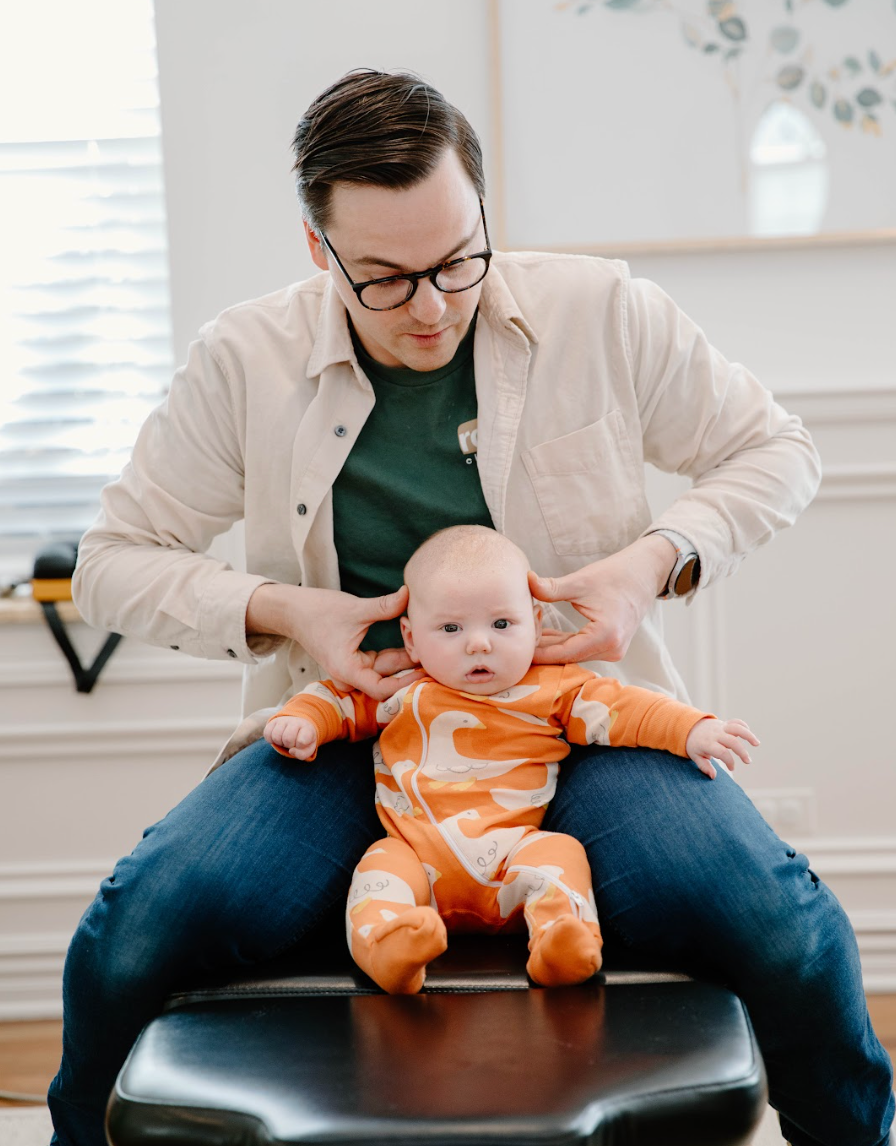
Chiropractic care and craniosacral therapy address what's happening beyond the mouth. We release the tension, restore proper alignment, and support the nervous system so your baby can nurse, move, and grow without restriction.
Chiropractic care and craniosacral therapy address what's happening beyond the mouth. We release the tension, restore proper alignment, and support the nervous system so your baby can nurse, move, and grow without restriction.

What We See in Babies with Ties
These symptoms often overlap with other infant challenges we see—torticollis, plagiocephaly, reflux. The root cause is frequently the same: tension in the nervous system.
Signs in your baby:
- Struggling to latch or staying latched
- Weak suck, calloused or blistered lips
- Clicking sounds while feeding
- Favoring one breast over the other
- Colic, gas, reflux, or excessive spitting up
- Poor weight gain
- Congestion, noisy breathing, or snoring
- Head tilt or difficulty turning one direction
Signs in mom:
- Painful, cracked, or bleeding nipples
- Flattened or creased nipples after feeding
- Plugged ducts, engorgement, mastitis, or thrush
- Low milk supply
- Exhaustion and difficulty bonding

Our Approach to Tongue Tie Care
Dr. Lauren Shelton and Dr. Weston Shelton are trained in both pediatric chiropractic and craniosacral therapy. You get full-spectrum bodywork in one place.
What we do:
- Gentle, specific adjustments to the neck and spine sized for your baby
- Craniosacral therapy to release tension in the jaw, skull, and fascia
- Intraoral and extraoral work to improve tongue, lip, and jaw mobility
- Suck retraining exercises and stretches you can do at home
If we suspect a tie during your visit, we'll examine your baby's mouth and connect you with trusted lactation consultants and pediatric dental specialists in the area for evaluation and treatment options.
When to Come In
Before a revision: Babies who receive bodywork before a tongue or lip tie release heal faster and show improvement sooner. Many parents notice feeding and colic symptoms improve even before the procedure. The muscles have been compensating—sometimes since the third trimester. The earlier we can help your baby learn proper movement patterns, the better.
After a revision: Chiropractic care and craniosacral therapy help re-integrate nerve patterns and ensure the muscles are working properly post-release. We'll also make sure your stretches are on track and walk you through retraining exercises so your baby regains full function as quickly as possible.
After a revision: Chiropractic care and craniosacral therapy help re-integrate nerve patterns and ensure the muscles are working properly post-release. We'll also make sure your stretches are on track and walk you through retraining exercises so your baby regains full function as quickly as possible.

Your First Visit
We start with a consultation and comprehensive exam—health history, assessment of your baby's neck, jaw, and spine, evaluation of head shape and range of motion. We use non-invasive thermal scans to show us where stress is showing up in the nervous system.
At your second appointment, we'll review our recommendations, walk you through the financial investment, and teach you exercises and stretches to support your baby at home.
At your second appointment, we'll review our recommendations, walk you through the financial investment, and teach you exercises and stretches to support your baby at home.
Request Appointment