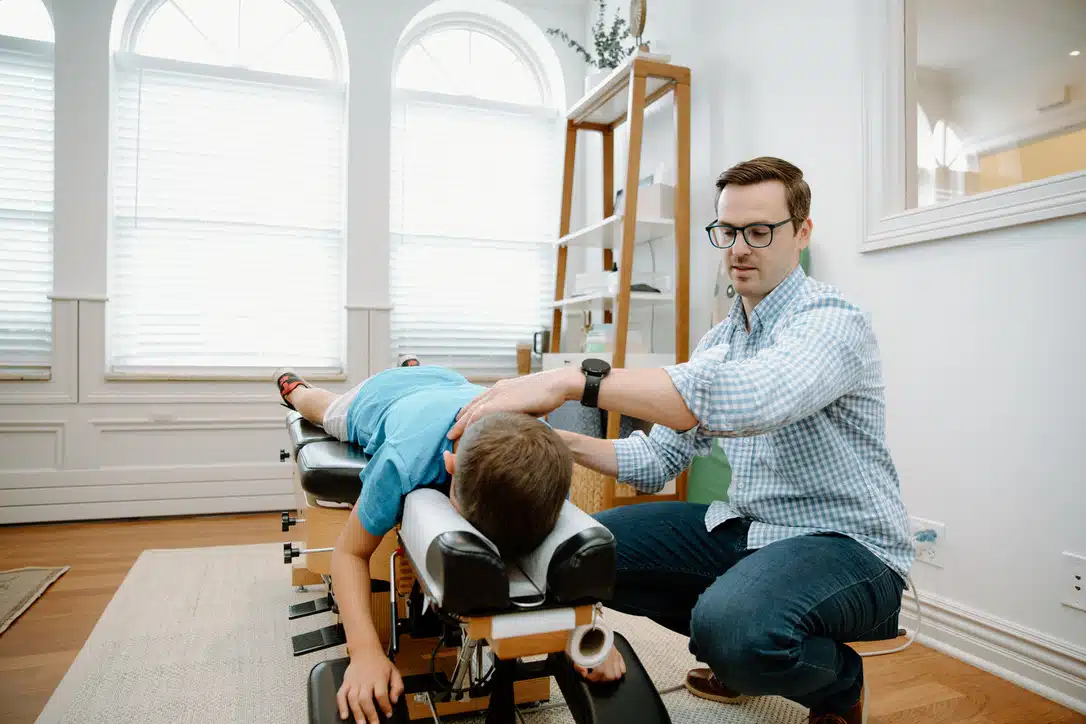
As parents, navigating the complexities of our children's health can be both daunting and overwhelming, especially when it comes to sensory disorders. These conditions can manifest in various ways, affecting a child's ability to process sensory information and impacting their daily lives. Pediatric chiropractic care has emerged as a supportive avenue for addressing these challenges, promoting overall wellness, and enhancing children's quality of life. This article delves into the role of pediatric chiropractic in supporting children with sensory disorders, examining recent research findings, benefits, and real-life case studies.
Sensory disorders encompass a range of conditions where the brain has difficulty receiving and responding to sensory input. This may include heightened sensitivity to stimuli, such as sounds, textures, or lights, leading to behavioral issues or anxiety. Common sensory disorders include Sensory Processing Disorder (SPD), Autism Spectrum Disorder (ASD), and Attention Deficit Hyperactivity Disorder (ADHD). Parents often seek varied therapeutic approaches to help their children better manage these challenges.
Pediatric chiropractic care is one such approach that aims to optimize the nervous system's function and overall health. It focuses on the musculoskeletal system and its impact on the central nervous system. By ensuring proper alignment and mobility of the spine, chiropractic care can potentially improve sensory processing and behavioral responses in children. Understanding this relationship is crucial for parents considering alternative therapies for their children.
The primary goal of pediatric chiropractic is to support and enhance the function of the nervous system. The nervous system controls all bodily functions, including how we perceive and respond to sensory information. When misalignments occur in the spine, they can create interference in nerve signals, leading to physical and behavioral issues. Chiropractic adjustments can help alleviate this interference, thereby improving communication within the nervous system.
Regular chiropractic care can assist in restoring proper alignment, which may enhance a child's ability to process sensory information more effectively. This improved nervous system function can lead to better focus, reduced anxiety, and increased calmness, allowing children to engage more positively with their environment.
Children with sensory disorders often exhibit challenging behaviors as they struggle to navigate their sensory experiences. These behaviors may include tantrums, withdrawal, or sensory-seeking actions. Pediatric chiropractic care can help mitigate these issues by promoting a sense of balance and calmness in the body. When physical discomfort is alleviated through adjustments, it can lead to improved emotional regulation.
Moreover, chiropractic care can help children develop better self-awareness of their bodies, enhancing their ability to respond appropriately to various stimuli. This newfound awareness can lead to decreased anxiety and frustration, allowing children to engage more effectively in daily activities and social interactions.
Recent research has shed light on the effectiveness of pediatric chiropractic care for children with sensory disorders. A study published in the Journal of Pediatric Health Care noted significant improvements in sensory processing abilities following a series of chiropractic adjustments. Parents reported better emotional regulation and less sensitivity to sensory input, thereby enhancing the child’s overall well-being.
Another study focused on children with ASD found that chiropractic care led to improvements in social interactions and behavioral responses. The research suggests that chiropractic adjustments can reduce stress in the body, allowing children to interact more positively with their peers and environment.
Chiropractic care has shown promise in positively influencing sensory processing capabilities. Research indicates that spinal misalignments can contribute to difficulties in sensory integration. By correcting these misalignments, chiropractic care can help restore normal function, thus enhancing a child's ability to process sensory information efficiently.
In one notable study conducted in Clarendon Hills, children receiving chiropractic care showed marked improvements in sensory processing scores. Parents reported a decrease in aversive reactions to common sensory stimuli, such as crowds or loud noises, showcasing the potential of chiropractic care in providing relief and support for sensory-sensitive children.
The Clarendon Hills study specifically examined the effects of chiropractic adjustments on children diagnosed with sensory disorders. The findings indicated that regular chiropractic visits resulted in improved sensory integration and behavioral outcomes. Parents observed significant changes in their children's ability to cope with sensory-rich environments, demonstrating the effectiveness of chiropractic treatment in this demographic.
Additionally, the study highlighted the importance of a collaborative approach involving chiropractors, parents, and other health care providers. This multidisciplinary strategy ensures that children receive comprehensive care tailored to their unique needs, maximizing the benefits of each therapeutic intervention.
Case studies provide valuable insights into how pediatric chiropractic care can transform the lives of children with sensory disorders. One such case involved a young boy diagnosed with Sensory Processing Disorder who struggled with daily activities, including getting dressed and attending school. After several sessions of chiropractic care, his mother reported a dramatic reduction in meltdowns and increased willingness to engage in social situations.
Another notable success story comes from a little girl with ASD who experienced overwhelming anxiety in crowded places. After undergoing chiropractic adjustments, her parents noted that she began to show increased comfort in these environments, allowing her to participate in family outings without distress. These anecdotes reinforce the potential benefits that chiropractic care can offer to children facing these challenges.
Parents who have sought chiropractic care for their children with sensory disorders often share powerful testimonials. Many express gratitude for the positive changes they have observed in their children, including improved focus, reduced anxiety, and enhanced emotional regulation. One mother noted, After starting chiropractic care, my son has become so much more relaxed. It’s as if a weight has been lifted off his shoulders. Such testimonials highlight both the emotional and practical impacts of chiropractic treatment.
Furthermore, parents appreciate the holistic approach of chiropractic care, which aligns with their desire to find non-invasive, natural remedies for their children. Many express that they feel empowered in their parenting journey while working alongside healthcare professionals who understand their children's unique needs.
Healthcare professionals from various disciplines increasingly endorse pediatric chiropractic care as a supportive treatment option for children with sensory disorders. Many pediatricians recommend chiropractic adjustments as part of a comprehensive treatment plan, recognizing the importance of a well-functioning nervous system in children's health. These endorsements stem from a growing body of research demonstrating the benefits of chiropractic care for sensory processing issues.
Additionally, occupational therapists and speech therapists often collaborate with chiropractors to ensure a multidisciplinary approach to care. This cooperation helps to create a supportive environment for children, allowing them to thrive in their development and access the tools they need to navigate their sensory experiences effectively.
In conclusion, pediatric chiropractic care offers a promising avenue for supporting children with sensory disorders. By focusing on enhancing nervous system function and improving behavioral responses, chiropractic adjustments can help children navigate their world with greater ease and confidence. As parents explore various therapeutic options, it is essential to consider how chiropractic care can complement other interventions and provide holistic support.
Recent research and real-life success stories affirm the positive impact of chiropractic care on sensory processing and behavioral outcomes. As healthcare professionals continue to endorse this approach, parents can feel empowered in their decisions to seek out pediatric chiropractic for their children.
For parents considering pediatric chiropractic care, it is crucial to consult with qualified practitioners who specialize in treating children. Research local chiropractic clinics that focus on pediatric care, and schedule consultations to discuss your child's specific needs. Open communication with your child's healthcare team is essential to developing a comprehensive approach that supports your child's overall well-being.
By exploring chiropractic care alongside other therapeutic interventions, parents can facilitate a well-rounded treatment strategy that promotes their children's health and happiness. The journey may be challenging, but the potential rewards of enhanced well-being and improved quality of life are well worth the effort.
Pediatric chiropractic care focuses on the diagnosis and treatment of musculoskeletal and neurological conditions in children. It involves gentle adjustments and techniques tailored specifically for children to support their growth and development.
Chiropractic care can help improve nervous system function, enhance sensory processing, and support emotional regulation, leading to better behavioral responses and overall well-being in children with sensory disorders.
Yes, chiropractic adjustments are generally safe for children when performed by trained and licensed pediatric chiropractors. Techniques used for children are gentle and adapted to their developmental needs.
The timeline for seeing results can vary depending on the individual child and their specific needs. Some families report improvements in a matter of weeks, while others may take longer. Regular visits and active engagement can help expedite positive outcomes.
Yes, it is advisable to consult your child's pediatrician before starting chiropractic care. This ensures that all aspects of their health are considered and allows for a coordinated approach to treatment.